CNL Question Bank
Pass your Clinical Nurse Leader (CNL) exam on the first try.
- Study what's actually on the exam. Every question is mapped to the official AACN CNL blueprint, written in exam-style single-best-answer format, and validated by our nursing and physician faculty.
- Built for busy nurses with short practice sessions, a personalized day-by-day study planner, and a mobile-responsive platform that fits your schedule: On your break, your commute, or anywhere in between.
- Walk in confident with four timed simulation exams and analytics that show exactly where you stand before exam day, and all plans are backed by our .
No risk. Cancel within 7 days for a full refund for any reason.

“I found this platform incredibly helpful. The bookmark feature, hints during practice tests, and well-structured flashcards make studying much more effective and less stressful. It’s especially great for managing test anxiety, as it guides you to think through questions clearly. I only wish I had this when preparing for my CEN exam. I would definitely recommend it to other nurses pursuing board certifications.”
Amy Schaar, RN, CEN













Join a community of dedicated nursing professionals achieving certification and transforming patient care.
Questions in CNL Question Bank
CNL simulation exams that gauge exam readiness
Questions follow CNL blueprint
Avg pass rate for those who complete the whole course
Exam Sections Covered in BoardCerts
CNL Question Bank
Comprehensive coverage of all exam domains with detailed topic breakdowns to ensure your success.
Nursing Leadership (31%)
A. Horizontal Leadership
- Apply leadership change and complexity theories
- Guide the healthcare team to use clinical judgement when providing patient care
- Facilitate delegation of patient care coordination activities
- Provide coaching and mentoring to the healthcare team
- Act as a role model for the healthcare team
- Coordinate the evaluating and updating plans of care with the healthcare team
- Facilitate coordination of applicable healthcare team members and stakeholders to meet care objectives
- Manage the healthcare team to provide timely and efficient care
- Develop effective working relationships across the healthcare system
- Advocate for the CNL role
B. Interprofessional Communication and Collaboration Skills
- Analyze communication structures and chain of command that impact care within the healthcare team and across settings
- Demonstrate effective written, spoken, and non-verbal communication skills
- Utilize communication skills that effectively navigate high-stakes or difficult conversations within the healthcare team
- Employ strategies to build relationships within the healthcare team, including both clinical and administrative members
- Employ strategies that promote diversity, equity, and inclusion to bridge barriers across the healthcare system
- Integrate emotional intelligence in communication and collaboration with patients, families, and the healthcare team
- Leverage the roles and responsibilities of the interprofessional team to influence care delivery
- Utilize effective communication strategies to adapt information to the target audience
C. Healthcare Advocacy
- Identify health disparities across populations
- Perform an advanced assessment of microsystems across the care continuum to determine patient population care needs
- Protect patient rights by being an advocate in the healthcare system
- Ensure that patients, families, and communities are well informed in creating a patient-centered plan of care
- Advocate for necessary healthcare delivery changes and advancements to key stakeholders
- Identify and propose microsystem resources to meet the needs of target populations
- Determine shared understanding among the healthcare team before decisions are made
- Advocate for patients, particularly the most vulnerable
D. Implementation of the CNL Role
- Demonstrate professional identity and practice in developing the CNL role
- Explain the capacity of CNL practice to improve healthcare processes and outcomes
- Exhibit qualities of a microsystem leader within and across interprofessional teams
- Apply current and new CNL evidence and competencies into practice
- Disseminate CNL practice outcomes at system, regional, national, or international level
- Collaborate with a network of CNL professionals at the system, regional, national, or international level
E. Lateral Integration of Care Services
- Coordinate the healthcare of patients across the care continuum
- Integrate an interprofessional approach to identify and acquire resources for patient populations
- Coordinate patient care within and across specific episodes of illness and throughout the care continuum
- Apply systems and organization theory in the design, delivery, and evaluation of healthcare delivery across the care continuum
F. Patient Assessment
- Perform an advanced comprehensive assessment of the patient across the lifespan (e.g. culture, socioeconomic status, health literacy, vulnerabilities)
- Perform an advanced assessment of microsystems across the care continuum to determine patient population care needs
G. Ethics
- Apply patient-centered ethical decision-making framework to clinical situations
- Apply legal and ethical guidelines to advocate for patient well-being and preferences
- Identify ethical dilemmas and the impact on patient care and outcomes
- Analyze how ethical decision making from both a personal and organizational perspective may create conflicts of interest
- Collaborate with ethics committees or resources and recognize their role in health care delivery
- Demonstrate knowledge of professional and ethical boundaries (e.g. power dynamics, dual relationships)
Clinical Outcomes Management (37%)
A. Illness/Disease Management
- Coordinate the provision and management of care at the microsystem level and across the care continuum
- Evaluate care for patients with emphasis on health promotion and risk reduction
- Evaluate readiness, needs, and interventions for safe transition of care
- Evaluate patient care based on analysis of outcomes, evidence-based knowledge, and patient's goals
- Analyze microsystems of care and outcome datasets to anticipate patient risk and improve quality of care delivery
- Apply theories of chronic illness care and population health management to patient and families
- Coordinate community resources, social networks, and decision support mechanisms into care management
- Recognize differences in responses to illness and therapies based on patient's risk factors and preferences
- Apply advanced pathophysiology, assessment, and pharmacology to anticipate illness progression, response to therapy, and to guide, teach, and engage patients and families regarding care
- Use knowledge of cost and affordability issues in managing patient illness/disease across the care continuum
- Synthesize literature and research findings as the foundation for the design of interventions for illness and disease management
- Coordinate and implement education programs for patients and health professionals
- Identify epidemiological patterns in order to manage illness and disease
B. Health Promotion, Disease Prevention & Risk Reduction
- Collaborate with the healthcare team to promote health and/or prevent disease
- Employ strategies to engage patients in therapeutic partnerships with the healthcare team
- Apply interventions based on evidence to meet specific patient needs
- Design and implement interventions to modify risk factors and promote engagement in healthy lifestyles for diverse populations
- Assess risk, predictive, and genetic factors that influence the health of patients
- Coordinate clinical and health promotion programs for patient populations to reduce risk, prevent disease, and prevent disease sequelae (e.g. heart failure, Enhanced Recovery After Surgery (ERAS), diabetes)
- Incorporate principles of diversity, equity, and inclusion into health promotion and disease prevention strategies
- Incorporate theories and research in creating patient engagement strategies to promote and preserve health
- Develop community partnerships to establish risk reduction strategies to address identified needs of the microsystem population
C. Healthcare Policy
- Recognize the effect of healthcare policy on health promotion, risk reduction, and disease and injury prevention
- Recognize the interactive effect of socioeconomics on national/global health policy related to health outcomes
- Analyze the effect of local, state, and/or national healthcare policy as they apply to the standards of care and scope of practice in the microsystem
- Identify the influence of regulatory guidelines and quality controls within the healthcare delivery system
Care Environment Management (32%)
A. Knowledge Management
- Collect data that documents the characteristics, conditions, and outcomes for various patient groups
- Apply knowledge of technology, equipment, treatment regimens, and medication therapies for various patient groups
- Compare and evaluate trends of institutional and unit data to national benchmarks
- Analyze variations in clinical outcomes to determine where nurses have the greatest impact at the microsystem level
- Synthesize data, information, and knowledge to evaluate and achieve optimal clinical outcomes
- Integrate assessment data into information management systems to support shared decision making
- Disseminate microsystem data that impacts health outcomes
- Employ strategies to engage the healthcare team to impact clinical outcomes
B. Healthcare Systems/Organizations
- Apply knowledge of change theory to manage group dynamics and promote information dissemination across healthcare systems
- Appraise existing organizational policies and procedures based on current evidence
- Implement system-based strategies that decrease healthcare disparities
- Apply systems thinking theories to address problems and develop solutions
- Evaluate how health care delivery systems are organized and their effect on patient care within microsystems
- Evaluate the economic, legal, and political factors that influence health care delivery
C. Team Coordination
- Employ strategies to ensure skilled nursing procedures are incorporated to promote safety
- Evaluate the microsystem culture/climate that influence healthcare team dynamics
- Establish strategies to maintain effective team structures to ensure shared decision making
- Employ conflict mitigation and resolutions strategies
- Promote a positive and healthy work environment and a culture of retention
D. Quality Improvement & Safety
- Employ quality improvement methods in evaluating individual and aggregate patient care processes
- Evaluate healthcare outcomes through the acquisition of data and the questioning of inconsistencies
- Redesign patient care utilizing quality improvement tools (e.g. Failure Modes Effect Analysis (FMEA), Root Cause Analysis (RCA), Plan-Do-Study-Act (PDSA) Cycles)
- Employ strategies to guide the healthcare team in quality improvement activities
- Identify variability and/or gaps in care practices and processes
- Employ standardized work practices to address and improve gaps in processes
E. Evidence-Based Practice
- Create framework within the microsystem to integrate patient and family preferences, interprofessional clinical expertise, and best evidence into clinical decisions
- Develop advanced assessment for clinical decisions by applying evidence-based practice
- Synthesize quantitative or qualitative evidence to promote critical thinking
- Select relevant sources of evidence to meet specific needs of patients, microsystems, or communities when planning care
- Identify relevant measurement strategies that will improve patient outcomes and promote cost-effective care
- Demonstrate expertise in the evidence appraisal process
F. Healthcare Finance & Economics
- Propose cost-effective strategies to the healthcare team that improve efficiency and patient care outcomes
- Employ financial stewardship for the environmental, human, and material resources while coordinating patient care
- Identify high-cost/high-volume activities to benchmark costs nationally and across care settings
- Identify the impact of financial policies on healthcare delivery and patient outcomes
- Interpret the impact of both public and private reimbursement policies that may affect patient care decisions
- Evaluate the effect of healthcare financing on access to care and patient outcomes
- Demonstrate knowledge of healthcare economic concepts (e.g. Return on Investment (ROI), Value-Based Purchasing (VBP), bundled payments)
G. Healthcare Informatics
- Analyze information, health technology sources
- Evaluate care utilizing informatics and patient care technology
- Apply multiple sources of systems data in designing processes for care delivery
- Evaluate clinical information systems to provide feedback related to efficient and accurate documentation
- Evaluate the impact of new technologies on patients, families, and healthcare delivery
- Assess the relationships between information systems, accurate communication, error reduction, and healthcare system operation
- Utilize technology for health promotion and disease prevention
- Collaborate with quality improvement and information technology teams to design and implement processes for improving patient outcomes
- Evaluate innovative technologies for inclusion in processes to anticipate patient risk
- Demonstrate efficient and appropriate use of healthcare technologies to maximize healthcare outcomes








Explore exclusive tools and insights tailored to help you ace the exam.

Interactive Practice Questions
Test your knowledge with free, exam-style practice questions designed to sharpen your skills.

Comprehensive Exam Information
Stay informed with detailed guidance on exam formats, eligibility criteria, and study tips.

Resources and Preparation
Access CNL information covering essential topics and strategies to excel on the exam.

Learn how to pass your board certification exam. In 30 minutes we’ll cover what matters most and how to study smarter.
In this session:
- Step-by-step 4-8 week study plan
- High-yield topics and common pitfalls
- Live demo of the Question Bank and Simulation Exams
- Quick tips for test day confidence
Includes live Q&A. Can’t attend? Register and we’ll email the recording, slides, and a study checklist.
Who Pass the First Time With BoardCerts
No risk. Cancel within 7 days for a full refund.
CNL Question Bank
What's included
CNL Question Bank
What's included
No risk. Cancel within 7 days for a full refund.
What nurses are saying about BoardCerts
Reviews from nurses across our community (designation and platform shown when provided).

Brian David
NPD-BC
"Hi, my name is Brian. I used BoardCerts to prepare for the Nursing Professional Development Board certification (or the NPD-BC exam), and I'm excited to say that I passed on my first attempt. When I started preparing, one of my biggest challenges was figuring out exactly what I needed to focus on. There are so many different topics on the NPD-BC exam, from leadership and change theories to education, evidence-based practice, and professional development, and it can feel overwhelming trying to study everything, too. And I tried several different resources while preparing, including review courses and other practice question banks, but BoardCerts really stood out, because the questions helped me apply what I was learning instead of just memorizing information. The quality rationales also guided my remediation process and ultimately helped me understand the test content on another level. I found that the question level difficulty was also comparable to the actual exam, which helped ease some of my anxiety during the test. What I enjoyed most was being able to practice questions consistently, identify areas where I needed more review, and become more comfortable with how concepts could be presented on the exam. I also loved how there were several simulation exams to help me find my knowledge gaps which helped tailor my study sessions; and by the time I took my NPD-BC, I felt much more confident walking into the testing center. BoardCerts was definitely a valuable part of my preparation and I'd recommend it to anyone getting ready for their NPD-BC exam. Thank you."

Cherlita Gallardo
PMH-BC, GERO-BC
"Hi everyone, my name is Grace, and I'm proud to say that I am now a double board-certified nurse. I passed the PMH-BC and GERO-BC. Let me tell you something: taking the PMH-BC exam was one of the hardest certification exams I've ever taken. It was definitely not easy. A friend recommended the BoardCerts app to me, so I decided to subscribe for 3 months to help me prepare for the exam. Honestly, the practice exams were challenging. The difficulty level was comparable to the actual exam, and the practice exam is almost the same as the actual exam. It is very long, but it helped me prepare for what to expect on the exam day. At first, I was disappointed because I kept getting low scores on most of the exams I took. There were moments that I doubted myself and wondered if I was ready, but I reminded myself that practice is part of the process and low scores don't define your ability to pass. I kept studying, learning from my mistakes, and pushing myself to improve, and guess what? I passed! So thanks to the BoardCerts app platform, I am finally and officially PMH-BC and GERO-BC certified. If you are a nurse preparing for your board certification, my advice is to keep going. Trust yourself and don't let your practice scores define you or discourage you from taking your exam. I am telling you, please subscribe to the Board Cert app; it will surely help you. Thank you so much, Board Cert! You are part of my success and preparation journey. Your resources helped me get ready for this challenging exam. Thank you all, bye!"
Cherlita Gallardo
PMH-BC, GERO-BC
Megan Viduya
CDCES
"Hi, my name is Megan. I'm a registered nurse and I'm a newly minted CDCES— that's a Certified Diabetes Care and Education Specialist— and I can thank my passing score largely in part to BoardCerts. I found them really helpful during my study journey. A lot of really cool features on their website, the first being their simulation exam. So I took one simulation exam at the very beginning to just really get a baseline of knowledge that I was comfortable with and knowledge that I wasn't. So after taking that initial exam, I then referenced the question bank within the BoardCerts platform and was able to select topics that I was not comfortable with, so that I could get more exposure to said topics and really hone in my knowledge to then pass the exam. I really liked that you could turn on either tutor mode or exam mode. I really liked the tutor mode personally because it allowed me to get real-time feedback after answering each individual question, and it was also really cool that it had AI technology looped into it as well to then break down what you answered incorrectly and how you could study that topic further. I really appreciated the study plan option that BoardCerts recommended to plan out my week and best prepare for the exam. Overall, so thankful that I used BoardCerts, and they offer a lot of information and a lot of tools to help me succeed."
Kymm Ehler
NE-BC
"As I prepared to study for the NE-BC exam, my plan had been to use the exam break down and reference list from ANCC to create my own study guide. Yes, a very lofty goal! As I sat and pondered how I was going to tackle gathering all of the information, I decided that there was probably something out there to help me prepare. I did an internet search and found BoardCerts. After investigating and reading reviews, I decided BoardCerts was the best choice for me. BoardCerts provided questions for each of the categories covered on the NE-BC exam and also practice tests that compiled random questions from each of the categories. I appreciated the structured learning plan. I also liked seeing areas where I did well, and areas where I needed to learn more. It was easy to use and I actually looked forward to studying each night. My original plan had been to study for about 5 months and take the exam month 6. With the help of BoardCert, and my structured daily study plan, I was prepared to take the exam after about 8 weeks. Walking into the exam, although a nervous wreck, I felt prepared. I walked out a nervous wreck until I got in my car, checked my email, and found a "Congratulations, you passed!" waiting for me! BoardCert was definitely part of my success. I would recommend BoardCert as a study resource when preparing to take the NE-BC."
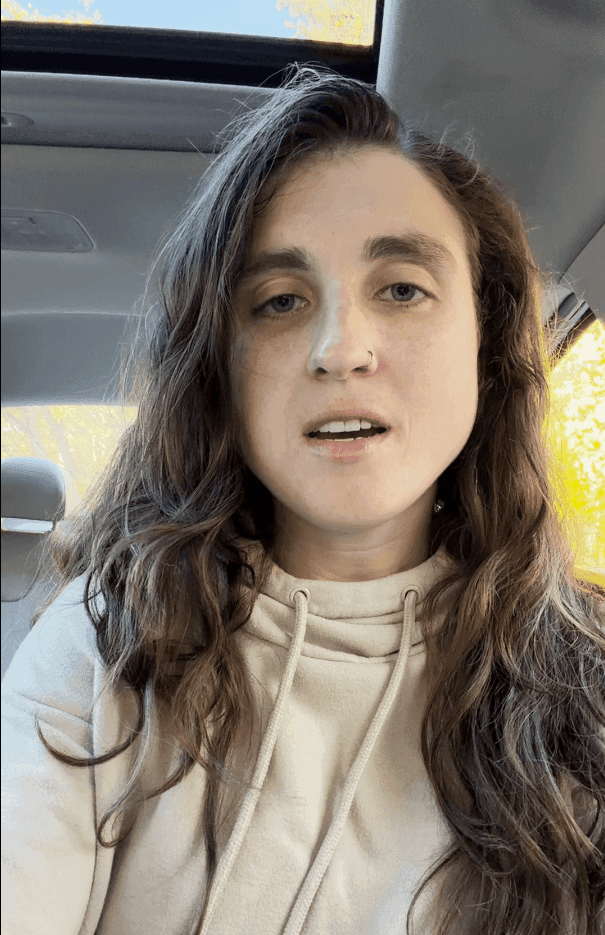
Sydney Petri
MSW, LICSW, APHSW-C
"Hi there, my name is Sydney. I am now an Advanced Palliative and Hospice Care social worker certified, thanks to BoardCerts. When I started researching ways to study, the most difficult thing for me was finding example questions to see how the test was laid out. The practice tests and question banks were definitely the most helpful resources. After answering those questions, it laid out which sections and components of the exam I needed to focus on. From there, I was able to use the flashcards to really hone in on those specific competencies. I found BoardCerts by doing research, and it had a lot of really great reviews. I ended up passing my exam on my first try after about a month of studying. BoardCerts was pretty much the only resource I used, and it was extremely helpful. I would highly recommend it to anybody.<h>"
Frequently
asked questions
Your questions answered - all you need to know to prepare and pass the CNL exam.
Our CNL Question Bank offers expertly designed 1,500+ practice questions, detailed explanations, and references tailored to the CNL exam blueprint, ensuring a thorough and confidence-boosting preparation experience.