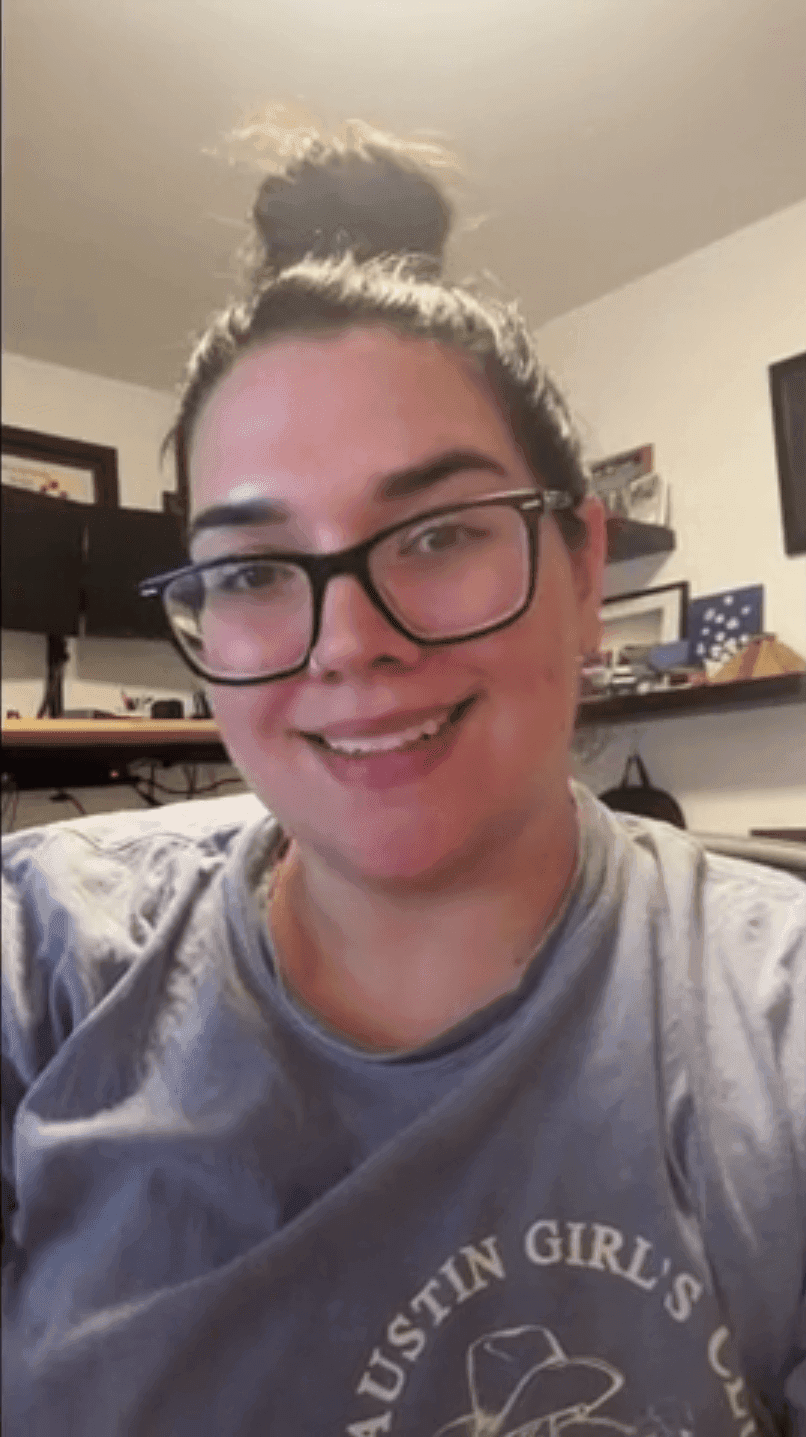
Megan Viduya, CDCES
Pass your Certified Diabetes Care and Education Specialist (CDCES) exam on the first try.
Trusted by more than 5,000+ nurses preparing for their certification exams.
Short video stories from real nurses.
Megan Viduya, CDCES












Join a community of dedicated nursing professionals achieving certification and transforming patient care.
Questions in CDCES Question Bank
CDCES simulation exams that gauge exam readiness
Questions follow CDCES blueprint
Avg pass rate for those who complete the whole course
Comprehensive coverage of all exam domains with detailed topic breakdowns to ensure your success.
Assessment
Care and Education Interventions
Standards and Practices







Explore exclusive tools and insights tailored to help you ace the exam.

Test your knowledge with free, exam-style practice questions designed to sharpen your skills.

Stay informed with detailed guidance on exam formats, eligibility criteria, and study tips.

Access CDCES information covering essential topics and strategies to excel on the exam.
.jpg&w=3840&q=75)
Learn how to pass your board certification exam. In 30 minutes we’ll cover what matters most and how to study smarter.
Includes live Q&A. Can’t attend? Register and we’ll email the recording, slides, and a study checklist.
CDCES
CDCES
No risk. Cancel within 7 days for a full refund.
What's included
What's included
No risk. Cancel within 7 days for a full refund.
Reviews from nurses across our community (designation and platform shown when provided).
Amy Schaar
RN, CEN
Emergency Department"I found this platform incredibly helpful. The bookmark feature, hints during practice tests, and well-structured flashcards make studying much more effective and less stressful. It’s especially great for managing test anxiety, as it guides you to think through questions clearly. I only wish I had this when preparing for my CEN exam. I would definitely recommend it to other nurses pursuing board certifications."
Kalli Knight
RN
School Nursing"I had a lot of fun exploring this app—it’s very easy to use and gives clear guidance on where to start, which makes studying much less overwhelming. The predictor exams, customizable quizzes, and ability to revisit incorrect questions were especially helpful for improving understanding. The question bank felt very real-world and is particularly valuable for school nurses, helping build confidence in areas you may not have learned in nursing school."
Briana Kesselring
MSN, CRNP, CNOR
Operating Room"I was really impressed with the platform. It offers a variety of tools for different learning styles, and the lectures are clear, informative, and easy to follow. The ability to switch between quiz questions and flashcards makes learning quick and effective. I learned a lot in a short time and would highly recommend this product"
Charity Adaobi Nwodo
RN, BSN
Pediatrics"I really appreciate how well-structured the platform is, from the flashcards to the question bank, making it easy to navigate and focus on specific topics. The user-friendly interface and clear explanations help reinforce understanding and support quick recall of clinical knowledge. I would definitely recommend this product for both exam preparation and ongoing learning."
Victoria
RN, BSN
NICU"I really liked the flashcards and how I could focus on specific topics, making it easier to understand what each question is asking. The predictor exams and analytics are especially helpful in showing where I need improvement, so I can study more efficiently. Features like notes, study planner, and hints make the whole experience very effective—I definitely feel like it does the job"
Your questions answered - all you need to know to prepare and pass the CDCES exam.
The CDCES Question Bank features extensive practice questions with in-depth explanations and references, aligned with the CDCES exam blueprint to ensure comprehensive preparation.
Group Purchase