CHPPN Question Bank
Includes 27 CE Hours as an Add-on
Pass your Certified Hospice and Palliative Pediatric Nurse (CHPPN) exam on the first try.
- Study what's actually on the exam. Every question is mapped to the official HPCC CHPPN blueprint, written in exam-style single-best-answer format, and validated by our nursing and physician faculty.
- Built for busy nurses with short practice sessions, a personalized day-by-day study planner, and a mobile-responsive platform that fits your schedule: On your break, your commute, or anywhere in between.
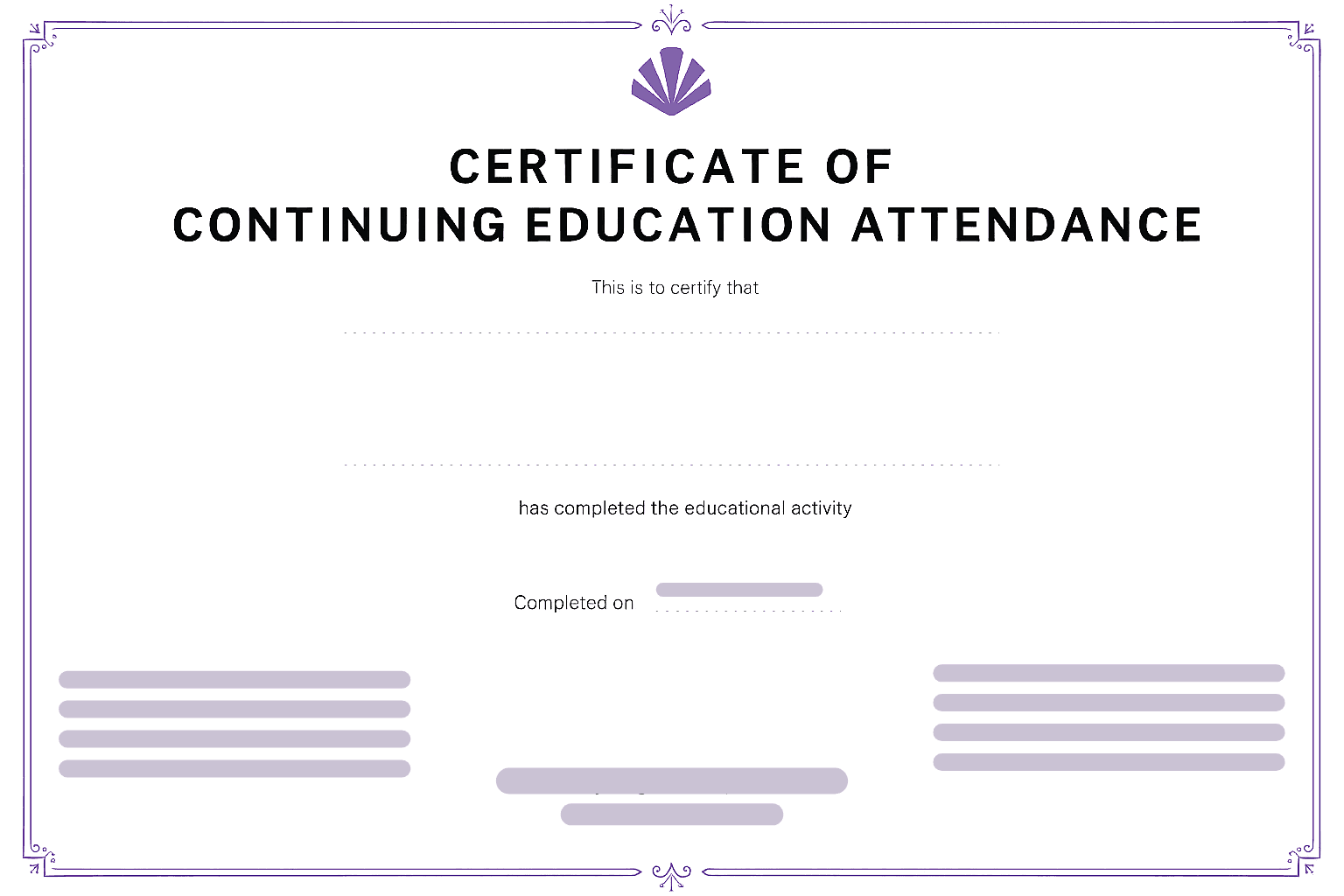
- Prepare for your exam and earn 27 CE hours with any plan. Includes a downloadable certificate and our , so you can achieve both goals without switching platforms.
No risk. Cancel within 7 days for a full refund for any reason.
Briana Kesselring, MSN, CRNP, CNOR
















Andrew Wagner
MD
Dr. Andrew Wagner, a distinguished graduate of UC Irvine Medical School, has been a Board Certified Family Physician since 1985. With a notable career in medical education and patient care, he has held esteemed positions such as Chief of Education and served on the Ethics Committee. He is recognized as a pioneer in AIDS/HIV patient care in California. In 2012, he became Board Certified in Hospice and Palliative Medicine, marking a significant shift towards end-of-life care. As a faculty member for the Healer’s Art Course at UCSF, Dr. Wagner focuses on end-of-life and palliative care, sharing his extensive knowledge with medical students. For the past 15 years, he has been a physician facilitator for Schwartz Rounds, promoting discussions about the emotional challenges of patient care. Currently, he provides inpatient palliative care consults at Sutter Health and continues to teach residents. His work is complemented by his training in guided imagery and integrative medicine. In his spare time, Dr. Wagner, a black belt in Aikido, has trained in martial arts for thirty years.
Join a community of dedicated nursing professionals achieving certification and transforming patient care.
Questions in CHPPN Question Bank
CHPPN simulation exams that gauge exam readiness
Questions follow CHPPN blueprint
Avg pass rate for those who complete the whole course
Exam Sections Covered in BoardCerts
CHPPN Question Bank
Comprehensive coverage of all exam domains with detailed topic breakdowns to ensure your success.
Patient Care: Assessment and Planning
- Goals of care and shared decision-making; anticipatory planning (e.g., location of death, funeral preplanning); interdisciplinary care planning and ongoing evaluation; collaboration with external care teams; psychosocial, spiritual, and cultural needs; identity and personal relationships; life-limiting disease progression, complications, and treatment; indicators of imminent death.
Patient Care: Pain Management
- Etiology and types of pain; verbal and nonverbal indicators of pain; use of developmentally appropriate pain scales; factors influencing pain experience (e.g., fear, depression, cultural and spiritual considerations); pharmacologic pain management (opioid, non-opioid, adjuvant therapies); pediatric dosing and titration; dosage equivalents when changing analgesics or routes; non-pharmacologic and complementary/integrative therapies.
Patient Care: Pediatric Diagnoses and Symptom Management
- Complications of prematurity and birth; neurological, neuromuscular, cardiac, pulmonary, congenital, musculoskeletal, skin, nutritional, metabolic, immune, hematologic, gastrointestinal, renal, and hepatic conditions; psychosocial, emotional, spiritual distress; mental health conditions and symptom management.
Family-Centered Support, Education, and Advocacy
- Advance care planning; hospice, palliative, and concurrent care benefits; patient safety; communication techniques and cultural humility; community resources and referrals; recognition of abuse and neglect; medication management and disposal; caregiver self-care; support for family and community; illness trajectory; care at time of death and post-mortem care; ethical issues; grief, loss, and bereavement support.
Professional Practice
- Hospice and palliative care compliance; national standards and practice guidelines; legal and regulatory requirements; professional boundaries; practitioner self-care and stress management; implicit bias and healthcare disparities.








Explore exclusive tools and insights tailored to help you ace the exam.

Interactive Practice Questions
Test your knowledge with free, exam-style practice questions designed to sharpen your skills.

Comprehensive Exam Information
Stay informed with detailed guidance on exam formats, eligibility criteria, and study tips.

Resources and Preparation
Access CHPPN information covering essential topics and strategies to excel on the exam.
.jpg&w=3840&q=75)
Learn how to pass your board certification exam. In 30 minutes we’ll cover what matters most and how to study smarter.
In this session:
- Step-by-step 4-8 week study plan
- High-yield topics and common pitfalls
- Live demo of the Question Bank and Simulation Exams
- Quick tips for test day confidence
Includes live Q&A. Can’t attend? Register and we’ll email the recording, slides, and a study checklist.
CHPPN
CHPPN
Who Pass the First Time With BoardCerts
No risk. Cancel within 7 days for a full refund.
CHPPN Question Bank
What's included
CHPPN Question Bank
What's included
No risk. Cancel within 7 days for a full refund.
What nurses are saying about BoardCerts
Reviews from nurses across our community (designation and platform shown when provided).

Brian David
NPD-BC
"Hi, my name is Brian. I used BoardCerts to prepare for the Nursing Professional Development Board certification (or the NPD-BC exam), and I'm excited to say that I passed on my first attempt. When I started preparing, one of my biggest challenges was figuring out exactly what I needed to focus on. There are so many different topics on the NPD-BC exam, from leadership and change theories to education, evidence-based practice, and professional development, and it can feel overwhelming trying to study everything, too. And I tried several different resources while preparing, including review courses and other practice question banks, but BoardCerts really stood out, because the questions helped me apply what I was learning instead of just memorizing information. The quality rationales also guided my remediation process and ultimately helped me understand the test content on another level. I found that the question level difficulty was also comparable to the actual exam, which helped ease some of my anxiety during the test. What I enjoyed most was being able to practice questions consistently, identify areas where I needed more review, and become more comfortable with how concepts could be presented on the exam. I also loved how there were several simulation exams to help me find my knowledge gaps which helped tailor my study sessions; and by the time I took my NPD-BC, I felt much more confident walking into the testing center. BoardCerts was definitely a valuable part of my preparation and I'd recommend it to anyone getting ready for their NPD-BC exam. Thank you."
Megan Viduya
CDCES
"Hi, my name is Megan. I'm a registered nurse and I'm a newly minted CDCES— that's a Certified Diabetes Care and Education Specialist— and I can thank my passing score largely in part to BoardCerts. I found them really helpful during my study journey. A lot of really cool features on their website, the first being their simulation exam. So I took one simulation exam at the very beginning to just really get a baseline of knowledge that I was comfortable with and knowledge that I wasn't. So after taking that initial exam, I then referenced the question bank within the BoardCerts platform and was able to select topics that I was not comfortable with, so that I could get more exposure to said topics and really hone in my knowledge to then pass the exam. I really liked that you could turn on either tutor mode or exam mode. I really liked the tutor mode personally because it allowed me to get real-time feedback after answering each individual question, and it was also really cool that it had AI technology looped into it as well to then break down what you answered incorrectly and how you could study that topic further. I really appreciated the study plan option that BoardCerts recommended to plan out my week and best prepare for the exam. Overall, so thankful that I used BoardCerts, and they offer a lot of information and a lot of tools to help me succeed."
Kymm Ehler
NE-BC
"As I prepared to study for the NE-BC exam, my plan had been to use the exam break down and reference list from ANCC to create my own study guide. Yes, a very lofty goal! As I sat and pondered how I was going to tackle gathering all of the information, I decided that there was probably something out there to help me prepare. I did an internet search and found BoardCerts. After investigating and reading reviews, I decided BoardCerts was the best choice for me. BoardCerts provided questions for each of the categories covered on the NE-BC exam and also practice tests that compiled random questions from each of the categories. I appreciated the structured learning plan. I also liked seeing areas where I did well, and areas where I needed to learn more. It was easy to use and I actually looked forward to studying each night. My original plan had been to study for about 5 months and take the exam month 6. With the help of BoardCert, and my structured daily study plan, I was prepared to take the exam after about 8 weeks. Walking into the exam, although a nervous wreck, I felt prepared. I walked out a nervous wreck until I got in my car, checked my email, and found a "Congratulations, you passed!" waiting for me! BoardCert was definitely part of my success. I would recommend BoardCert as a study resource when preparing to take the NE-BC."

Diane OBerry
RN, BSN, CRRN
"Good morning, my name is Diane. I'm an RN with a bachelor's science degree in nursing. I was studying for the CRRN course and I was unable to find an online program that would help me to know if my study was effective. I had been using a textbook from the ARN and it just wasn't helping me to grasp the concepts that I need. I really appreciated that BoardCerts had answers for all of their questions, and the rationales really helped me to understand the thinking that I needed to have in order to be able to pass the CRRN. I took the CRRN in June, and I'm happy to say that I passed, and this will greatly help my future career and the other things that I'm looking forward to achieving in the future. I really appreciated board search and I know that it was helpful for me, and I hope it will be helpful for you."
Paul Kang
CHPN
"The challenge with any standardized test is knowing the structure of the exam and getting in tune with how the questions are supposed to be answered. While my company offered the CHPN study materials in very extensive videos per subject, much of it was superfluous information that I simply did not need. BoardCert's test bank taught me to approach the questions on principle rather than trying to retain obscure knowledge, and this was the key in my shortened preparation time of 3 months to the exam time of less than 2hrs. I was able to sort and classify easy, questionable, and hard questions into different banks and strengthen my area of weakness, while not wasting time on questions that I already knew."
Frequently
asked questions
Your questions answered - all you need to know to prepare and pass the CHPPN exam.
The CHPPN Question Bank features expertly crafted practice questions with detailed explanations and references, all aligned with the CHPPN exam blueprint for comprehensive preparation.