CCM Question Bank
Includes 26 CE Hours as an Add-on
Pass your Certified Case Manager (CCM) exam on the first try.
- Study what's actually on the exam — every question is mapped to the official CCMC CCM blueprint, written in exam-style single-best-answer format, and validated by expert faculty with statistician sign-off.
- Built for busy nurses — short practice sessions, a personalized day-by-day study planner, and a mobile-responsive platform that fits your schedule: on your break, your commute, or anywhere in between.
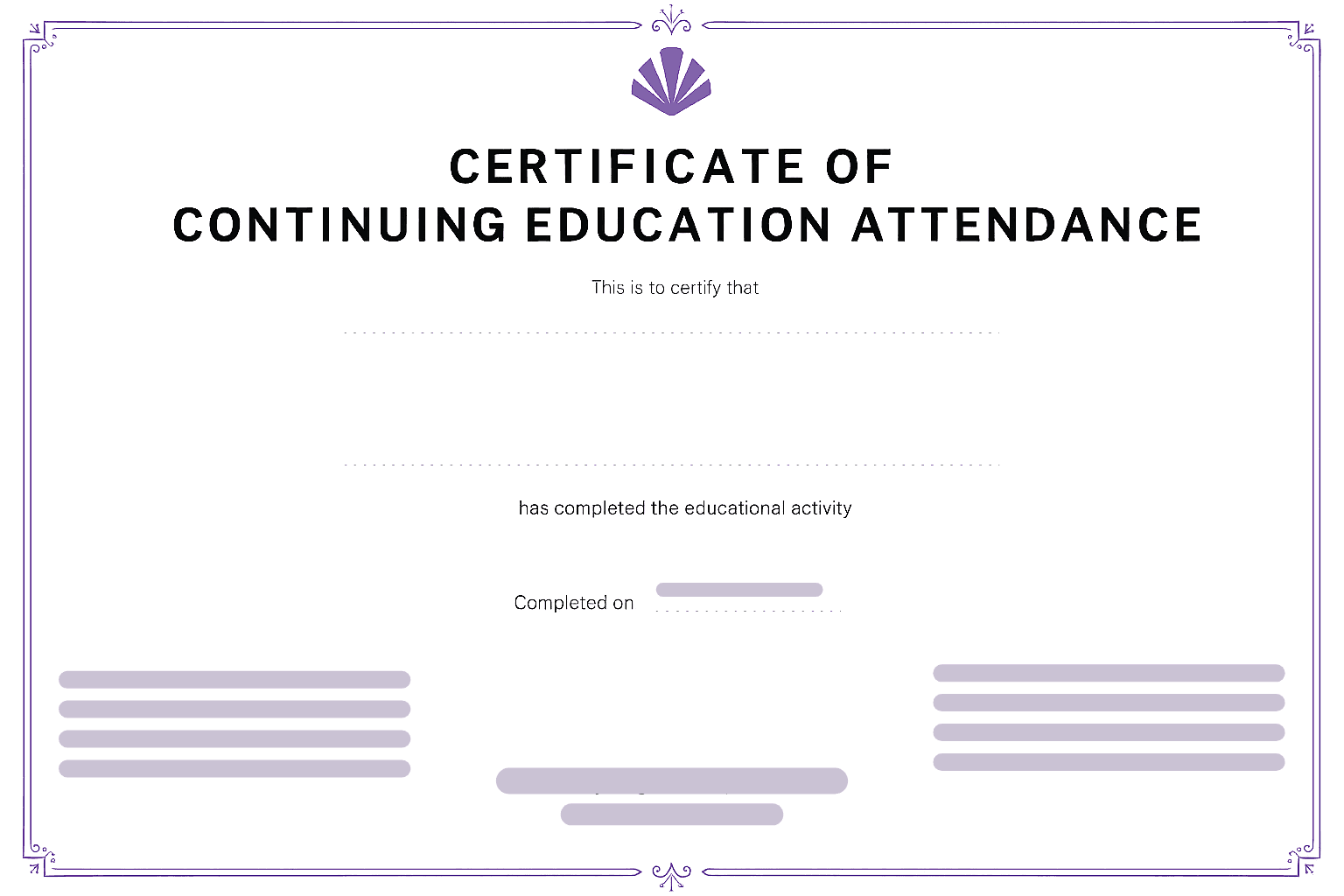
- Prepare for your exam and earn 26 CE hours with any plan. Includes a downloadable certificate and our Course Guarantee, so you can achieve both goals without switching platforms.
No risk. Cancel within 7 days for a full refund for any reason.

“I found this platform incredibly helpful. The bookmark feature, hints during practice tests, and well-structured flashcards make studying much more effective and less stressful. It’s especially great for managing test anxiety, as it guides you to think through questions clearly. I only wish I had this when preparing for my CEN exam. I would definitely recommend it to other nurses pursuing board certifications.”
Amy Schaar, RN, CEN


















Join a community of dedicated nursing professionals achieving certification and transforming patient care.
Questions in CCM Question Bank
CCM simulation exams that gauge exam readiness
Questions follow CCM blueprint
Avg pass rate for those who complete the whole course
Exam Sections Covered in BoardCerts
CCM Question Bank
Comprehensive coverage of all exam domains with detailed topic breakdowns to ensure your success.
No content available.
- No content available.









Explore exclusive tools and insights tailored to help you ace the exam.

Interactive Practice Questions
Test your knowledge with free, exam-style practice questions designed to sharpen your skills.

Comprehensive Exam Information
Stay informed with detailed guidance on exam formats, eligibility criteria, and study tips.

Resources and Preparation
Access CCM information covering essential topics and strategies to excel on the exam.
.jpg&w=3840&q=75)
Learn how to pass your board certification exam. In 30 minutes we’ll cover what matters most and how to study smarter.
In this session:
- Step-by-step 4-8 week study plan
- High-yield topics and common pitfalls
- Live demo of the Question Bank and Simulation Exams
- Quick tips for test day confidence
Includes live Q&A. Can’t attend? Register and we’ll email the recording, slides, and a study checklist.
CCM
CCM
Who Pass the First Time With BoardCerts
No risk. Cancel within 7 days for a full refund.
CCM Question Bank
What's included
CCM Question Bank
What's included
No risk. Cancel within 7 days for a full refund.
What nurses are saying about BoardCerts
Reviews from nurses across our community (designation and platform shown when provided).
Victoria
RN, BSN
NICU"I really liked the flashcards and how I could focus on specific topics, making it easier to understand what each question is asking. The simulation exams and analytics are especially helpful in showing where I need improvement, so I can study more efficiently. Features like notes, study planner, and hints make the whole experience very effective-I definitely feel like it does the job"
Victoria
RN, BSN
NICURie Yokota
RN
Neurology"I really liked how the platform allows me to personalize my learning with features like flashcards and note-taking.The flexibility to turn the timer on or off helped me focus better on questions. I found it very helpful for exam preparation and would definitely recommend it to others"
Rie Yokota
RN
NeurologyMyles Aguiler
RN, MCH
Emergency Department"This app is very well aligned with how nurses prepare for credentialing exams, making it easier to study using modern technology. The exam and tutor modes simulate a real testing environment, helping users assess their readiness and identify weak areas. I highly recommend it, as it provides clear insights into performance and helps focus on topics that need improvement"
Myles Aguiler
RN, MCH
Emergency DepartmentKalli Knight
RN
School Nursing"I had a lot of fun exploring this app-it’s very easy to use and gives clear guidance on where to start, which makes studying much less overwhelming. The simulation exams, customizable quizzes, and ability to revisit incorrect questions were especially helpful for improving understanding. The question bank felt very real-world and is particularly valuable for school nurses, helping build confidence in areas you may not have learned in nursing school."
Kalli Knight
RN
School NursingIrene Thum
RN
Medical Isolation"I really like how detailed, comprehensive, and well-structured the content is. The platform presents complex topics in a clear and easy-to-understand way, with intuitive navigation that makes learning seamless. It has helped broaden my clinical understanding beyond textbooks, and I would definitely recommend it to healthcare professionals looking to expand their knowledge while earning CE points"
Irene Thum
RN
Medical IsolationFrequently
asked questions
Your questions answered - all you need to know to prepare and pass the CCM exam.
The CCM Question Bank features high-quality practice questions, detailed rationales and references, meticulously aligned with the CCM exam blueprint to ensure effective preparation and build your confidence.